The grand room, led by a globally celebrated chef who actually cooked on site, once hung with $100 million in art and starred in “Ocean’s Eleven.”




The grand room, led by a globally celebrated chef who actually cooked on site, once hung with $100 million in art and starred in “Ocean’s Eleven.”

Two independent genetic labs tested the DNA of samples collected from Elko County after wildlife officials thought they had seen a gray wolf pack.

The Mirage’s expiration date officially has come into view. The resort is closing to be remade as Hard Rock Las Vegas.
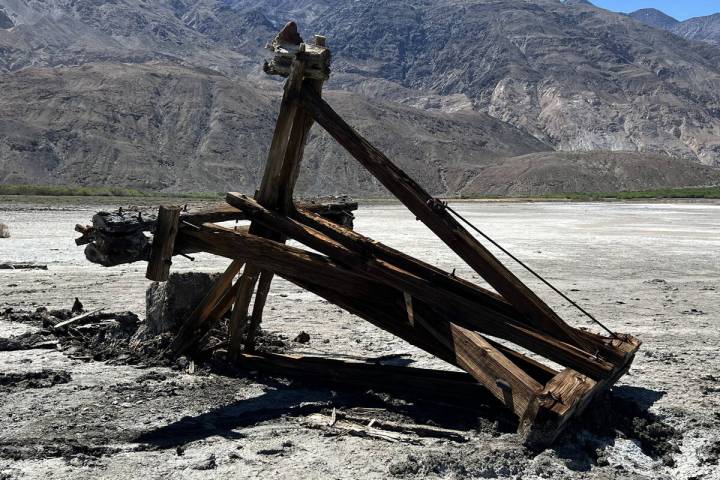
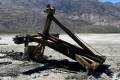
The 113-year-old tower at Death Valley National Park was toppled last month when someone tried to rescue a vehicle trapped in mud, the National Park Service said.

The Masters champion was detained by police Friday morning for not following police instructions during a traffic jam that followed a traffic fatality.

Indie rockers Phoenix, comedians David Spade and Nikki Glaser, and Bellagio’s new photography exhibit top this week’s entertainment lineup.

Electric Daisy Carnival is back to swallow Las Vegas Motor Speedway whole in a gigantic maw of light and sound and fire and fuzzy boots.

The Athletics’ Strip ballpark process is on track with the team’s development agreement set to be introduced this summer, according to LVCVA Chairman Steve Hill.

Google Fiber said Las Vegas officials will soon discuss an agreement to allow the company to operate in the valley.
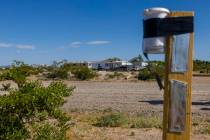
Amargosa Valley residents are concerned about the wells they rely on for drinking water after Rover Critical Minerals staked claim to public land around the town.
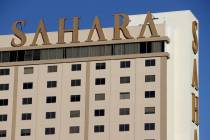
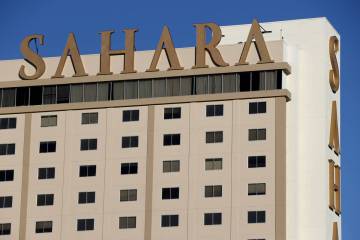
Sahara is installing new technology in its parking garage that’s raising questions on whether it’s about to start charging for parking.

Justice of the Peace Amy Chelini set the bail after attorneys said they had agreed to a bail of $100,000.

All eyes will be on Nevada’s Senate race in the fall, but first a large field of Republican candidates will battle it out in the primary on June 11.

The win was one of several recently across the Las Vegas Valley.

On any given night, you can find something special at Lee’s Family Forum. Whether you are watching the future stars of the Vegas Golden Knights hit the ice with the Henderson Silver Knights, sitting front row to the world’s fastest football with the Vegas Knight Hawks, or watching some of the best volleyball players on […]


Two independent genetic labs tested the DNA of samples collected from Elko County after wildlife officials thought they had seen a gray wolf pack.
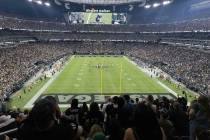
A “Staff Draft” planned next week for Allegiant Stadium aims to hire 1,500 people to work games and events at the $2 billion facility.

The latest addition is the centerpiece of a $50 million property-wide renovation, the resort said.